
Build an approval‑ready credit profile
Understand what’s driving your credit decisions, identify items that may be unfair or inaccurate, and take a structured next step toward stronger approvals and better terms.
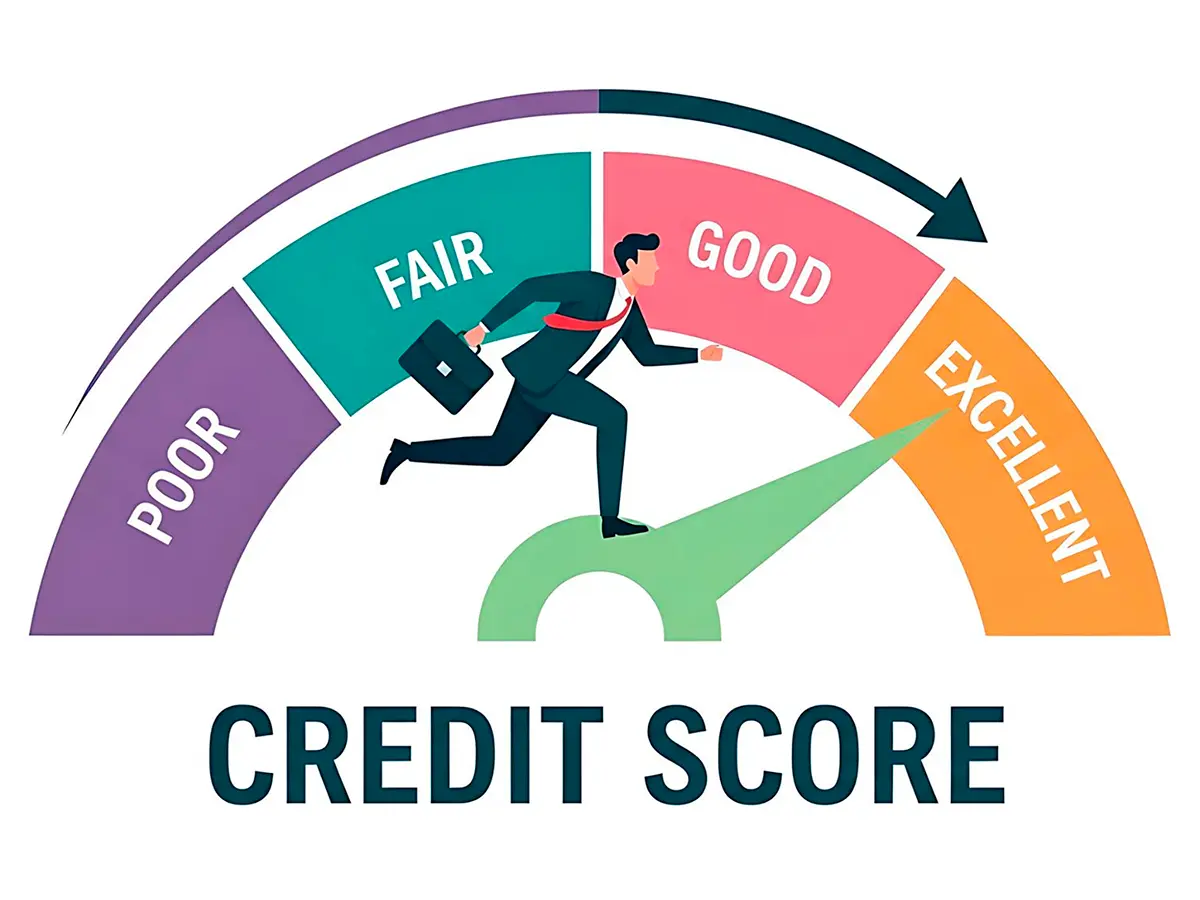
Built around established U.S. credit reporting practices and dispute procedures under the Fair Credit Reporting Act (FCRA). No unrealistic promises—just clarity, documentation, and structured credit improvement.
Unlock more options
Choose the outcome you care about. We’ll outline what improves it—and what to watch for—so you can move forward with confidence.
Your path to stronger credit
A stronger credit profile can mean better approval odds, improved loan terms, and more financial flexibility. Get a clear, no-fluff overview of what credit improvement can help you achieve — then take the next step when you're ready.
Credit decisions in the U.S. are typically influenced by payment history, utilization ratios, account age, recent inquiries, and the accuracy of reporting across major credit bureaus.
Even small inconsistencies can affect lending algorithms. A structured credit improvement approach focuses on verified data, responsible usage patterns, and consistent financial behavior.
*Results vary. This page does not guarantee outcomes.
How it works
A straightforward workflow used by reputable credit‑support programs: review, challenge what’s questionable, and build stronger habits while updates are processed.

Review your starting point
Clarify your goal and look at what’s currently affecting approvals and terms.

Identify what can be challenged
See what information is typically needed, what to expect next, and how the workflow usually looks.

Move forward
Continue to explore available options and take the next step toward better credit outcomes.
credit repair denver: practical steps to rebuild confidence
I live and buy in Denver, so I look at credit repair through a buyer's lens: what moves the score efficiently, what's just noise, and how to measure real progress without burning months. Hope matters - but only the kind that's backed by steps, dates, and documents.
First, define the goal you can fund
Are you trying for a better mortgage tier, a lower auto rate, or approval for a business card? Pick one. In our market, a solid jump from a mid-600s to low-700s can translate into meaningful monthly savings, especially when rate swings hit fast. I anchor every action to that single outcome.
What works quickly (and what doesn't)
- Verify reports and scores: Pull all three bureaus and note which score model your lender uses. FICO 8 vs Mortgage scores can behave differently.
- Fix the fixable: Incorrect late payments, duplicated collections, or accounts you never opened - those are priority disputes with documentation.
- Negotiate the stubborn items: For valid collections, a polite, precise settlement letter may lead to a delete or at least an update. Not guaranteed, but worth measured attempts.
- Add positive data fast: A low-limit secured card, a credit-builder loan from a local credit union, and on-time utility data can start compounding within a couple cycles.
- Avoid score sabotage: Do not close old, clean accounts. Keep utilization under 10 - 20% across and per card.
Evaluate local help in Denver
Some teams are excellent; others recycle templates. I compare partners the same way I compare lenders: transparent pricing, dispute cadence, evidence of targeted letters (not spammy blasts), and portal updates I can verify. If they promise deletions of accurate info, I walk.
- Time efficiency: Do they schedule disputes by cycle and confirm bureau receipt dates?
- Documentation: Are letters specific, citing the exact inaccuracy and attached proof?
- Score-impact focus: Are they prioritizing items that affect mortgage scores, not just vanity points?
A realistic, efficient plan
- Map the negatives: Sort by age, type, balance, and model impact. Tag "error," "negotiable," or "leave."
- Build your evidence: Statements, emails, paid receipts, ID theft affidavits - anything that reduces back-and-forth.
- Dispute with precision: One claim per letter, per item, per bureau. Track certified-mail dates or online confirmations.
- Negotiate selectively: For smaller collections, request pay-for-delete in writing. If declined, a settled-for-less update may still help.
- Add positives: Open one secured card, automate tiny charges, pay in full. Consider a credit-builder loan at a Denver credit union.
- Recheck and rinse: Mark 35 - 45 days per dispute cycle. Adjust strategy based on actual bureau responses.
Costs, timelines, and calm expectations
- 30 - 60 days: Clean reporting errors and utilization can show quick wins.
- 3 - 6 months: Layered positives and a couple negotiated updates create steadier gains.
- Beyond 6 months: Thin files mature; missed payments age; momentum compounds.
One small real-world moment: I was at a coffee spot near Union Station when a bureau update came through - one disputed duplicate collection removed. Not fireworks. Just a quiet, measurable step that pushed my mortgage estimate down by a fraction. That's the rhythm I trust here: restrained optimism, verified by data.
Decision checkpoint
If you can organize documents and follow dates, DIY is viable. If your time is tight or files are messy, a disciplined Denver team with clear reporting can be worth it. Either way, judge by efficiency: fewer cycles, stronger documentation, and score movement tied to your actual buying goal. That's credit repair in Denver that respects both your calendar and your cash.
Raising credit scores for home, refinance, and more. Our research-backed process is considered the best Denver credit repair - (888)-505-9810.
Top 10 Best Credit Repair in Denver, CO - February 2025 - Yelp - Major League Finance, Peak Credit Solutions, Synergy Credit Services, National Credit Care, ...
The Services We Offer - Credit Repair - Credit Restoration - Credit Counseling - AFS Credit Restoration Denver, CO 80220. Phone: (720) 712-5177.
Frequently asked questions
A clear next step — without the guesswork
See what’s impacting approvals and what may deserve a closer look.
Understand how disputes are structured and what documentation matters.
Improve utilization, consistency, and long-term credit stability.
See what improving your credit could change
Take a structured next step based on your current profile — and decide with clarity.